When buying a home in Ocean City, NJ, understanding flood insurance is critical. This coastal community is prone to flood risks due to its proximity to the ocean and back bays, and many properties are located in flood zones where insurance is either required or strongly recommended. In this guide, we’ll cover everything you need to know about flood insurance, including the differences between FEMA’s National Flood Insurance Program (NFIP) and private market flood insurance, special surcharges, and important waiting periods.
What Is Flood Insurance and Why Is It Important in Ocean City, NJ?
Flood insurance protects homeowners from financial losses caused by flooding—something standard homeowners insurance won’t cover. In Ocean City, NJ, with its location near the coast, homes are particularly vulnerable to flood damage from storms, high tides, and rising sea levels. Lenders often require flood insurance for properties located in high-risk areas, but even homes in lower-risk zones can benefit from having this coverage.
FEMA Flood Insurance vs. Private Market Flood Insurance
When purchasing flood insurance, you typically have two options: the National Flood Insurance Program (NFIP), managed by FEMA, or private market flood insurance. Each option has distinct advantages and drawbacks depending on your situation.
FEMA’s National Flood Insurance Program (NFIP)
- Standard Coverage: The NFIP offers federally backed flood insurance with coverage limits of up to $250,000 for the structure of your home and $100,000 for its contents.
- Same Price Through Any Agent: NFIP rates are set by FEMA, so the premium on a given property is the same no matter which insurance agent writes it.
- Accessibility: FEMA insurance is widely available and often required for homes in high-risk flood zones if you’re getting a mortgage.
- Limitations: NFIP policies have coverage limits that may not fully cover the cost to rebuild high-value homes. Additionally, NFIP doesn’t cover additional living expenses or loss of rental income if your home becomes uninhabitable.
Private Market Flood Insurance
- Higher Coverage Limits: Private flood insurance can offer higher coverage limits than the NFIP. This can be ideal for Ocean City homes with high market values that exceed FEMA’s coverage cap of $250,000.
- Customizable Policies: Private insurers may provide more flexible coverage options, including additional living expenses and rental income coverage, which FEMA policies do not cover.
- Competitive Pricing: Depending on your home’s location and risk factors, private flood insurance can sometimes be more cost-effective than FEMA policies. It’s worth shopping around to see if you can get a better rate.
- Variable Rates: Unlike FEMA, private insurers calculate rates based on their own risk models, which can vary significantly. This can lead to lower premiums for some properties, but higher premiums for others depending on the insurer’s risk assessment.
How FEMA Prices Flood Insurance Now (Risk Rating 2.0)
FEMA moved to Risk Rating 2.0 for new policies on October 1, 2021, and for renewals on April 1, 2022. The premium is now based on the individual building: how often the area floods, how close it is to the ocean or bay, the first floor height, and the cost to rebuild. The old system priced mostly by flood zone and elevation.
Your flood zone still matters. Any zone starting with A or V means a lender will require flood insurance on a government-backed mortgage. It just doesn’t set the price on its own anymore.
When a premium is going up under the new system, FEMA phases it in. Most annual increases are capped at 18%, up to 25% for some policies. That cap usually doesn’t apply to a brand new policy.
Understanding Flood Zones in Ocean City, NJ
Ocean City is divided into different flood zones that dictate your risk level and whether flood insurance is required:
- Zone AE: A high-risk zone where base flood elevations are determined. Homes in this zone are likely required to carry flood insurance if you have a mortgage.
- Zone VE: A coastal high hazard zone at even greater risk due to storm surges and wave action. Homes in Zone VE usually carry higher flood insurance premiums due to the increased risk.
- Zone X: These are areas of moderate or minimal risk. While flood insurance is not mandatory here, it’s still a smart investment, as floods can happen in low-risk areas too.
Flood Insurance Costs in Ocean City, NJ
The cost depends on the building’s flood risk, its elevation, what it would cost to rebuild, and the coverage you choose. Here are a few key elements that affect the price:
- Flood Risk: Homes closer to the ocean or bay, and in areas that flood more often, pay more. Your flood zone decides whether insurance is required, not the price by itself.
- Elevation: Homes elevated above the base flood elevation (BFE) may qualify for lower premiums.
- Primary Residence vs. Second Home: NFIP policies carry an annual surcharge of $250 on a vacation home or rental property, compared to $25 on a primary residence.
Waiting Period for Flood Insurance
It’s important to note that flood insurance typically has a 30-day waiting period before it becomes effective. This waiting period applies to new policies that are not required as part of a mortgage. If you’re buying a home with a mortgage and the lender requires flood insurance, the coverage will take effect immediately upon closing. However, if you’re purchasing flood insurance voluntarily for a home not subject to a mortgage, you’ll need to plan ahead, as the policy won’t take effect for 30 days after purchase.
How to Lower Your Flood Insurance Premiums
There are several strategies to reduce your flood insurance costs, whether you choose FEMA or private market insurance:
- Elevation Certificates: Getting an elevation certificate can help demonstrate that your home is built above the base flood elevation, potentially reducing your premiums.
- Flood Mitigation: Installing flood vents, elevating utilities, and other flood-proofing measures can lower your insurance rates.
- Compare Providers: Don’t be afraid to compare FEMA NFIP policies with private market options. Depending on your property’s specifics, a private insurer may offer better rates or more comprehensive coverage.
Flood Insurance on Ocean City Condos
For Ocean City condos, flood insurance on the building is part of the association’s master policy and paid through the condo fee. That policy covers the building, not your contents or interior upgrades, so most owners add their own contents coverage. Ask for the master policy declarations page during attorney review.
Why You Need Flood Insurance in Ocean City, NJ
For Ocean City homeowners, especially those in high-risk zones, flood insurance is often required by lenders. But even if you’re buying in a lower-risk zone, floods can happen anywhere, and the cost of flood repairs can be devastating without insurance. In fact, FEMA reports that just one inch of water can cause up to $25,000 in damage.
How to Purchase Flood Insurance in Ocean City, NJ
Most homeowners purchase flood insurance through FEMA’s NFIP, but private market policies are becoming more popular. To get started:
- Contact an insurance agent familiar with both FEMA and private flood insurance policies.
- Ask your real estate agent for local recommendations if you’re unsure of where to begin.
- If you’re buying a home, confirm with your lender if flood insurance is required as part of the mortgage process.
Flood Insurance Tips for Ocean City Homebuyers
- Know Your Zone: Check your flood zone to determine whether insurance is mandatory and what your potential premiums could be.
- Factor in Surcharges: Remember that if you’re buying a second home or rental property, you’ll be subject to the $250 surcharge under FEMA’s program.
- Plan for the Waiting Period: If you’re purchasing a home without a mortgage and flood insurance is not required, remember that there may be a 30-day waiting period before your policy becomes active. Be sure to buy flood insurance early to avoid gaps in coverage.
- Ask About the Seller’s Policy: A seller’s NFIP policy can be transferred to the buyer at closing, with or without a mortgage. Ask what the seller pays now and have an insurance agent compare a transfer against a new policy.
Conclusion
Flood insurance is a necessary safeguard when buying property in Ocean City, NJ. Whether you choose a FEMA policy or private market insurance, understanding your flood zone, knowing the costs, and planning for surcharges and waiting periods can help you protect your investment and enjoy peace of mind. For the best protection, explore both FEMA and private insurance options, and make sure the policy fits the property.
Contact a licensed insurance agent for specific insurance advice.
Flood insurance is just one piece of coastal buying. Here's how buying and selling at the shore is different than inland.
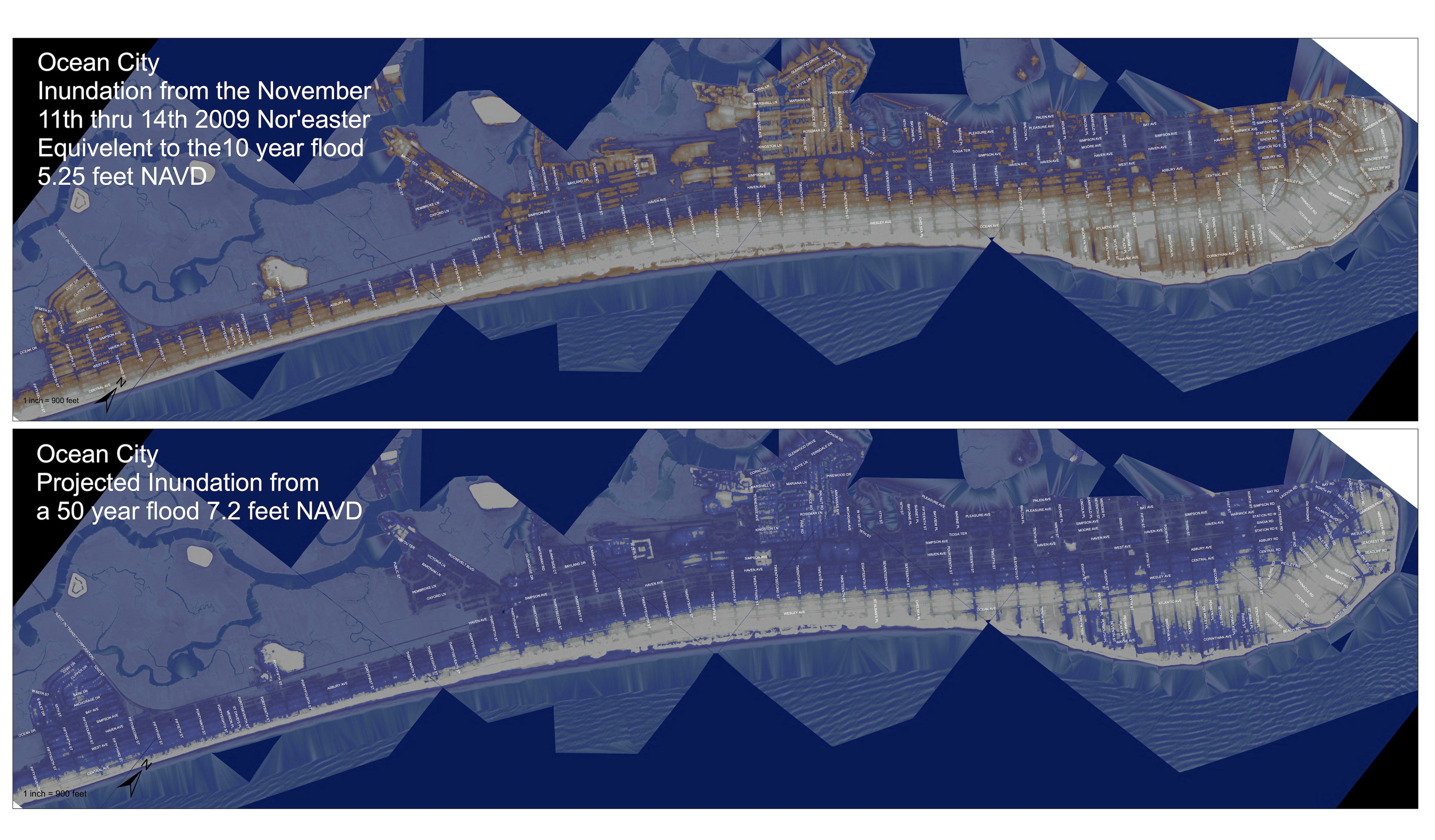
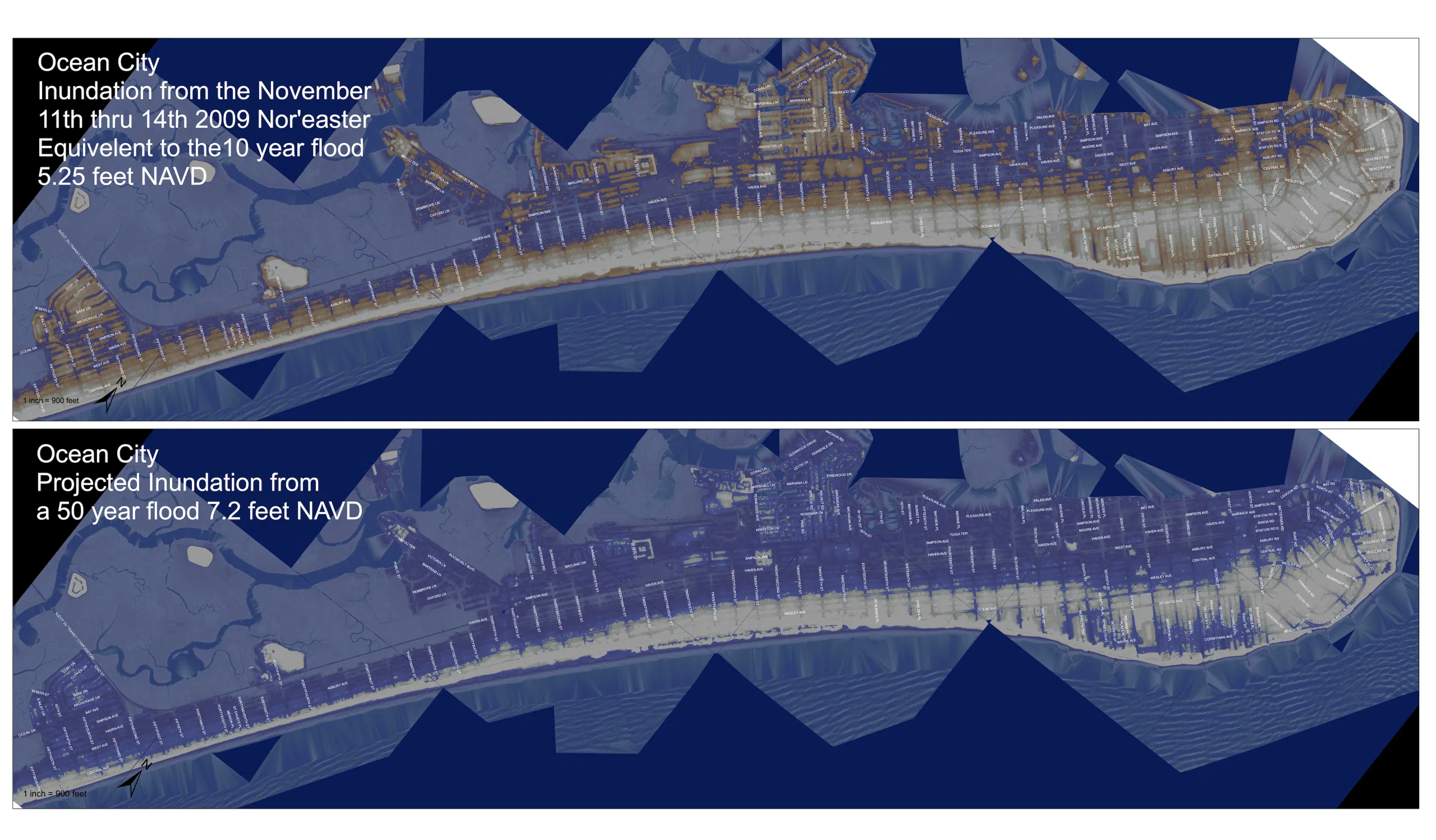
Ocean City 10 year and 50 year Tidal Flooding Heights. This is not a flood map. Provided by the City of Ocean City.